

Plot Twist: ‘Shutter Island’ Turned a Noir Mystery Into a Tragedy About Memory
What begins as a storm-lashed detective story unravels into a portrait of trauma, the fragility of truth, and the unbearable weight of what we can’t forget

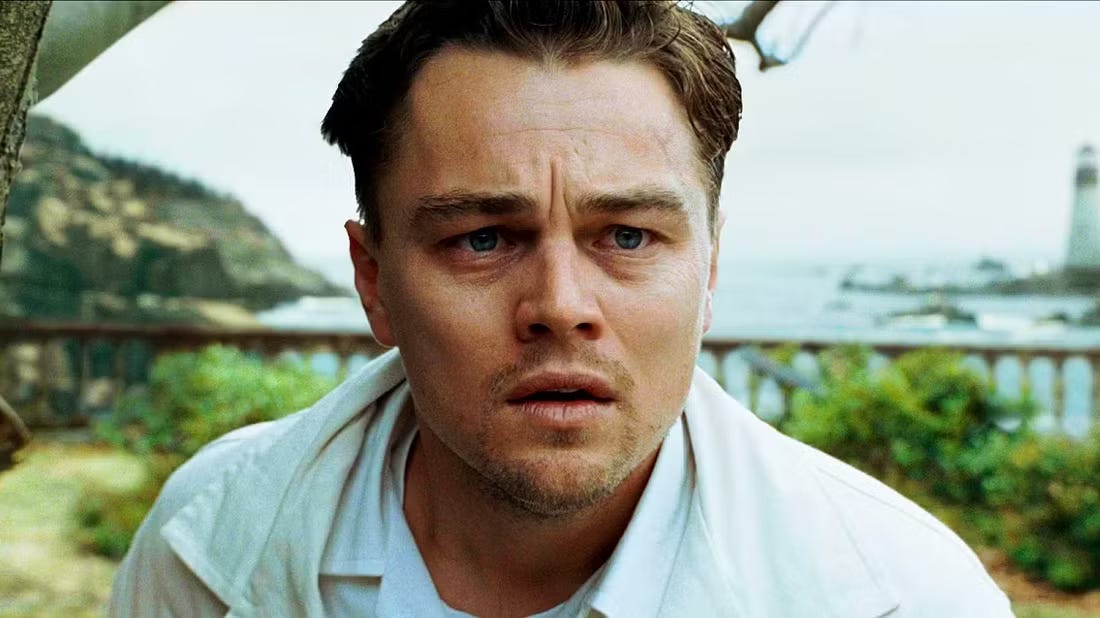
(Leonardo DiCaprio in Shutter Island. Source: Photofest)
Everyone remembers the gasp. But a great twist isn’t just about surprise—it’s about what it unlocks. Plot Twist revisits the reveals that make us shout, rewind, and rethink what we thought we knew, exploring why they land, how they reshape the story, and what lingers after.
When Martin Scorsese’s Shutter Island premiered in February 2010, it looked like a straightforward thriller. Leonardo DiCaprio plays Teddy Daniels, a U.S. Marshal sent to investigate the disappearance of a patient at a psychiatric hospital on a remote island. The place is storm-battered and claustrophobic. The wards feel more like prisons than clinics. The staff are evasive, hinting at secrets without giving answers. At first, the movie feels like a classic detective story with a darker twist.
But the mystery doesn’t hold. By the end, Teddy’s entire reality unravels. He isn’t a marshal at all, but Andrew Laeddis, a patient at Ashecliffe. The case he thinks he’s solving is only a role-play meant to break through his delusion. The conspiracy he imagines is a shield against something far worse: his wife Dolores (Michelle Williams) drowned their children, and he killed her afterward. What starts as a noir mystery becomes a tragedy about grief, memory, and the lies we tell ourselves to survive.
For much of the film, though, the story plays it straight. Teddy and his partner Chuck (Mark Ruffalo) arrive to track down Rachel Solando, a woman who murdered her children before vanishing from a locked cell. Teddy suspects there’s more going on—illegal experiments, government coverups. As the storm closes in, he finds himself in riots, tense interrogations, and visions of his wife’s death—scenes he remembers in flames instead of water.
As Teddy digs deeper, the island makes less sense. Records vanish. Guards shadow his every move. Doctors refuse to help. What starts as an investigation slides into nightmare. The harder he tries to stay in control, the less he has.
Then comes the gut punch. Teddy is Andrew. Chuck is Dr. Sheehan, his psychiatrist. Rachel never existed. The conspiracy was a story Andrew built to live with himself. Each clue, each hallucination, each dead end is a fragment of truth warped into something he could manage.
On first viewing, the twist shocks; on second, it reshapes everything. Chuck’s skepticism reads as concern. Rachel’s disappearance mirrors Dolores’s crime. Even the storm begins to feel like Andrew’s mind breaking apart. The film replays itself as grief.
What lingers about Shutter Island isn’t just the trick but what it says about memory. Andrew invents new roles—marshal, partner, missing woman—because the truth is too heavy to carry. Memory becomes a place to hide, even if it means hiding inside a lie.
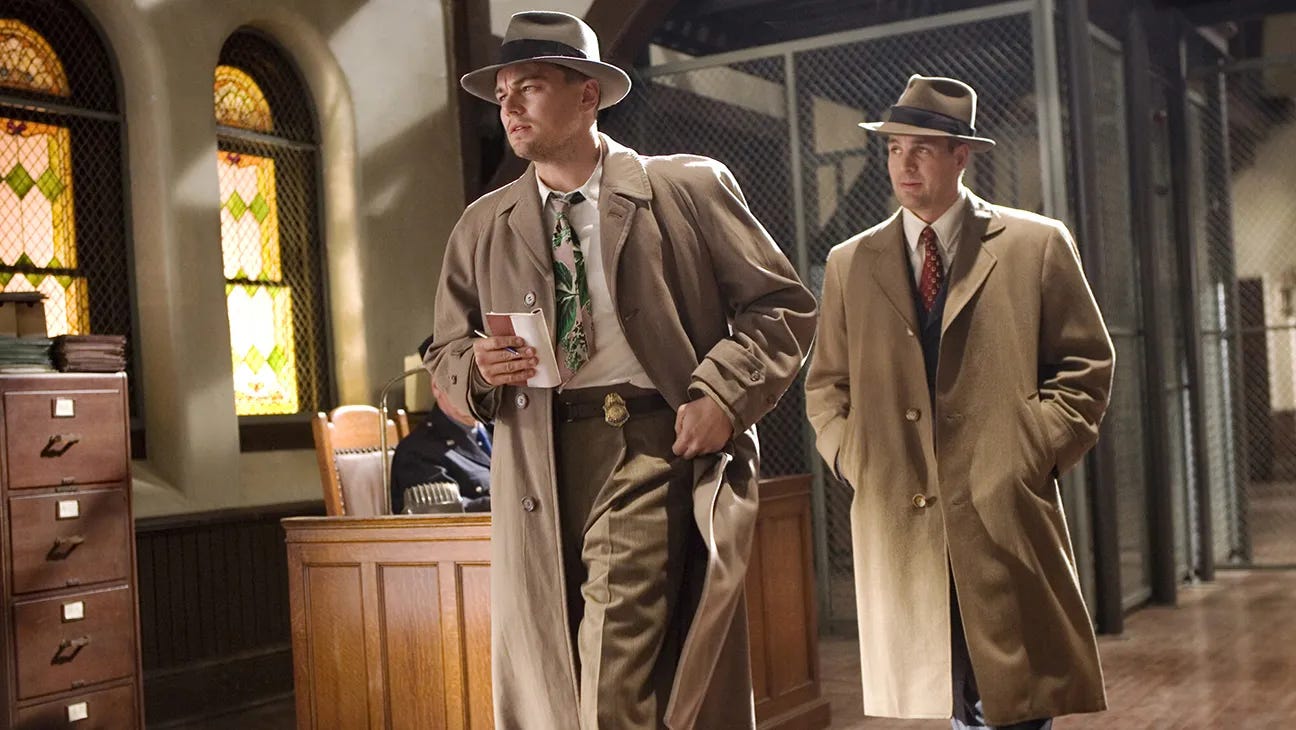
(Leonardo DiCaprio and Mark Ruffalo in Shutter Island. Source: Photofest)
When it first came out, the film was seen as a clever puzzle box. With time, it feels different: less like a trick, more like a portrait of trauma. In a world where PTSD, depression, and the mind’s defenses are discussed more openly, Andrew’s delusion feels more human than sensational.
Scorsese still leans on noir tropes—smoke, shadows, conspiracies—but once the role-play breaks, those fall away. What’s left is a question: how do you live when the truth is unbearable? Andrew tries denial, fantasy, and finally oblivion. The detective mask drops, leaving a man who can’t face what he’s done.
The ending leaves no easy closure. Andrew seems lucid, aware of his crime and of who he is. Then he chooses oblivion, delivering the line that still sparks debate fifteen years later: “Which would be worse: to live as a monster, or to die as a good man?”
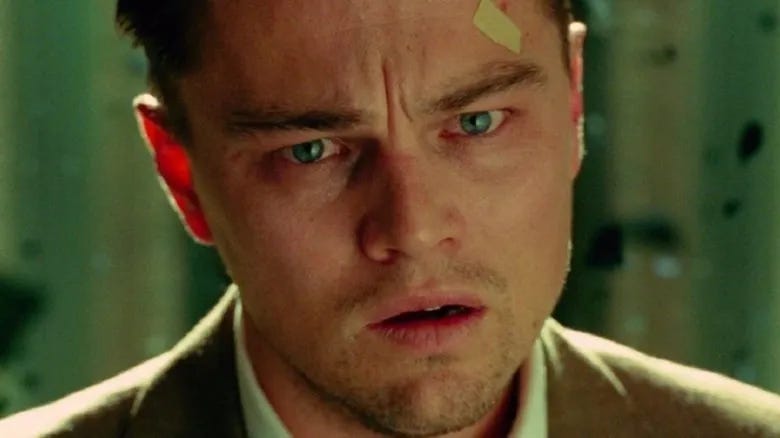
(Leonardo DiCaprio in Shutter Island. Source: Photofest)
People still debate whether that moment shows relapse or choice. Did Andrew slip back into delusion, or did he decide a lobotomy was the only way out? The film refuses to say. It leaves us sitting with a question that has no clean answer.
That’s why Shutter Island endures—not because of the twist, but because of what follows. The reveal turns a thriller into an elegy for memory, for marriage, for the stories we spin to keep going. Andrew’s final line lingers because it throws the dilemma back at us. Which is worse: living with what destroys you, or letting yourself forget?
The twist belongs to him, but the reckoning belongs to us.